
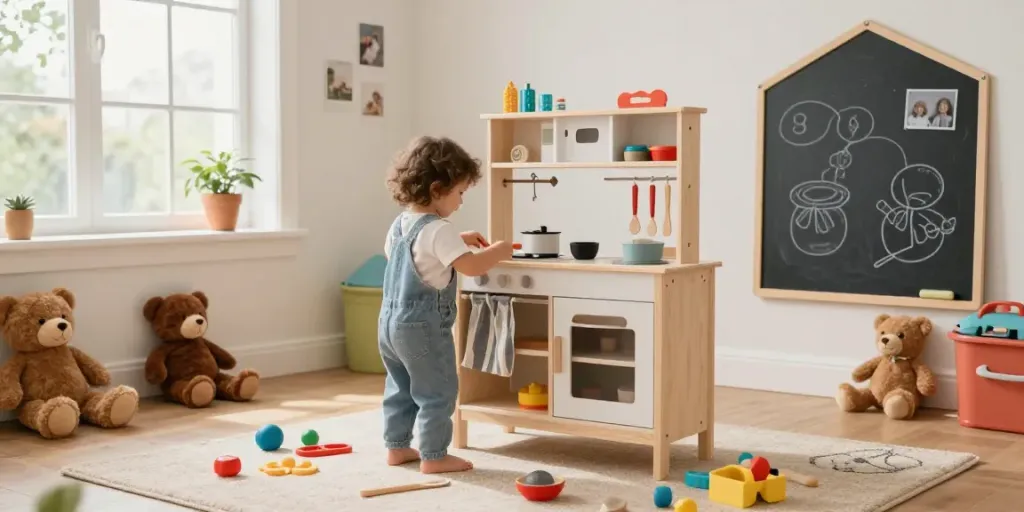
Understanding the Benefits of Wooden Kitchens
Choosing a play kitchen for your child is more than just an addition to their toy collection; it’s an investment in their development. Among the options available, wooden kitchen sets stand out due to their durability, aesthetic appeal, and educational potential. These kitchens offer a unique platform for imaginative play, allowing children to explore culinary arts while nurturing their creativity. In this article, we'll delve into the myriad benefits of wooden kitchens and how they become nurturing spaces for young minds.
Why Choose Wooden Play Kitchens for Your Child?
Wooden play kitchens provide an authentic play experience that plastic alternatives can't match. Their natural look and feel create a more inviting environment for children to engage in pretend cooking and serving. Play kitchens encourage role-playing, which is crucial for developing social skills and empathy. As children imitate adults, they learn about responsibilities associated with food preparation and family dynamics.
Furthermore, wooden kitchens are versatile; they often come equipped with features such as toy cookware, utensils, and food items, enhancing the play experience. By encouraging children to create their scenarios, these kitchens help cultivate problem-solving skills and decision-making abilities as they navigate their pretend worlds.
Durability and Sustainability of Wooden Materials
When investing in toys, durability is a key consideration. Wooden kitchen sets are not only robust but also tend to outlast their plastic counterparts. Made from high-quality materials, they can endure the rough-and-tumble play of children for years. This durability translates to better value for parents, as a single purchase can last through multiple children or even generations.
In addition to their longevity, wooden products are inherently more sustainable. With increasing awareness about environmental issues, many parents prefer eco-friendly options. Wooden kitchens, especially those sourced from responsibly managed forests, appeal to parents looking to instill a sense of environmental stewardship in their children.
Promoting Creativity and Imagination Through Play
Children thrive in environments that stimulate their imagination. Wooden kitchens provide a blank canvas for creative expression, enabling kids to invent recipes, host dinner parties, or even run a café for their stuffed animals. Such experiences promote cognitive development, language skills, and artistic expression.
Furthermore, children frequently engage in collaborative play with peers or family members, which fosters communication skills and teamwork. By sharing tasks and negotiating roles during play, they gain valuable interpersonal skills that will serve them throughout their lives.
Selecting the Perfect Wooden Kitchen Set
With an array of options available, choosing the right wooden kitchen set can be daunting. It’s essential to consider several factors to ensure you select a play kitchen that meets your child’s needs and preferences.
Features to Look for in Quality Wooden Kitchen Sets
- Material Quality: Ensure that the wood used is non-toxic and finished with child-safe materials to prevent health risks.
- Design and Aesthetics: Choose a design that complements your home decor while appealing to your child's tastes.
- Functionality: Look for kitchens that include various features like cabinets, sinks, and stovetops to enhance play options.
- Size: Ensure the kitchen fits well in your intended play area and is the right height for your child.
- Accessories: Check if the kitchen comes with additional items like pots, pans, and play food to create a complete experience.
Age Appropriateness and Safety Considerations
Age-appropriate toys are critical for child development. Most wooden play kitchens recommend a specific age range, often suitable for children aged three and older. When selecting a kitchen, consider the maturity of your child and whether they can safely handle the equipment without risk of injury. Additionally, avoid kitchens with small parts that present choking hazards for younger children.
Comparing Different Brands and Styles
As you explore various brands, consider specific features that set them apart. For instance, some brands focus on minimalist designs that appeal to aesthetics, while others might offer vibrant colour options that excite young imaginations. Reading reviews and comparing price points can also aid in making an informed choice that balances quality with budget. Popular brands like KidKraft and Melissa & Doug offer diverse options catered to different preferences and needs.
Setting Up an Inspiring Play Area
The way you set up your child’s play kitchen can impact their engagement and enjoyment. An inspiring play area encourages creativity and helps establish a routine for playtime.
Design Ideas for Your Child’s Kitchen Space
Consider integrating the kitchen into a designated play corner in your home. Use bright colours and playful decorations to create an inviting atmosphere. Adding a small table and chairs can encourage collaborative play and dining experiences. Displaying play food in jars or baskets can add to the visual appeal while keeping things organised.
Incorporating Lighting and Accessories for Better Play
Good lighting can transform a play area. Natural light is ideal, but adding soft, warm lighting from lamps can create a cosy ambiance. Accessories such as aprons, chef hats, and even a menu board can enhance the experience and prompt imaginative role play.
Organising and Maintaining the Play Kitchen Area
Keeping the kitchen tidy is essential for safety and playability. Use bins and containers to store utensils, food items, and cooking equipment. Regularly check for any damaged pieces and clean the kitchen with child-safe cleaners to maintain hygiene and longevity.
Engaging Your Child with Interactive Play
Interactive play can make the experience with a wooden kitchen even more enriching. As a parent, your involvement can significantly enhance your child's playtime.
Guided Play Ideas for Parents
Engage with your child by participating in their cooking adventures. Host a pretend cooking show or create fun challenges like "who can make the tallest sandwich." Such activities stimulate their creativity while building essential skills.
Encouraging Social Interaction with Siblings and Friends
Encourage your child to invite friends over to play. Cooperative play fosters communication and teamwork. Setting up kitchen-themed parties where children can create their menus can further enhance their social skills.
Involving Your Child in Real Cooking Activities
Bridge the gap between real cooking and play by involving them in actual kitchen activities. Simple tasks such as washing vegetables, mixing ingredients, or setting the table can help them connect their toy kitchen experiences with real-life applications while nurturing a love for cooking.
Future Trends in Wooden Kitchen Playsets
The market for wooden kitchen playsets is continuously evolving, with new trends emerging to meet the changing needs of families.
Innovations and Eco-friendly Designs in 2026
By 2026, expect to see more eco-friendly designs that incorporate sustainable materials without sacrificing quality or aesthetics. Innovations may include multi-functional kitchens that serve as learning tools, incorporating digital components for interactive play.
Customisation Options for Personal Touch
Parents increasingly seek personalised play experiences. Brands are likely to introduce options for customising kitchen sets with names, themes, or specific colours, allowing children to create a space uniquely theirs.
Anticipated Market Trends for Sustainable Toys
The trend towards sustainability will continue to grow. Parents are more conscious of the impact their purchases have on future generations. Expect to see advancements in sustainable manufacturing practices and certifications that ensure environmental responsibility across the toy industry.
What age is best for a wooden kitchen?
Most wooden kitchens are apt for children aged three and above, encouraging imaginative play while providing a safe environment.
Are wooden kitchen toys safe for children?
Yes, when made from high-quality, non-toxic materials, wooden kitchen toys are considered safe for children.
How do I maintain a wooden kitchen playset?
Regular cleaning with a damp cloth and checking for any loose parts or damages will help keep your wooden kitchen safe and aesthetically pleasing.
What to consider when buying a wooden kitchen?
Consider factors such as age appropriateness, material quality, design, functionality, and available accessories.
Where to find the best deals on wooden kitchen sets?
Online retailers often have competitive pricing. It’s advisable to check reviews and compare prices across various platforms to find the best deals.